
Undernutrition increases the risk of infection, disease severity and chances of mortality amongst children
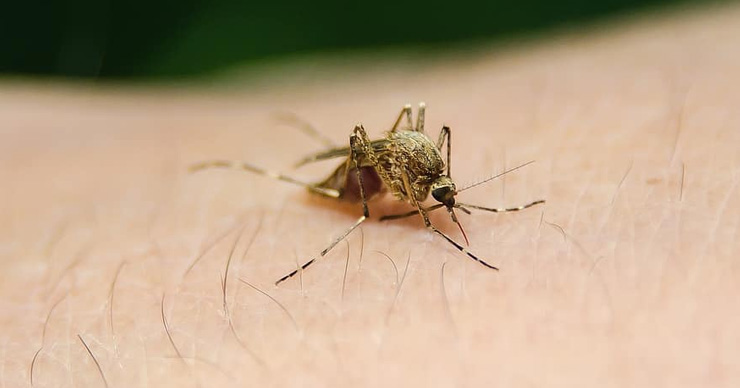
Lymphatic filariasis (LF) also known as elephantiasis (Hathipaon), is chronic debilitating infection primarily caused by two thread-life, parasitic filarial worms namely, Wuchereria bancrofti and Brugiamalayi. It has been a major public health problem in India mainly due to the grotesque swelling of the limbs and genitalia and has been a neglected tropical disease (NTD). Mosquito-transmitted larvae are deposited on the skin from where they can enter the body. The larvae then migrate to the lymphatic vessels where they develop into adult worms, thus continuing a cycle of transmission.
Human beings are the natural host and all ages are susceptible to infection, as in endemic areas infection was recorded even in infants aged 6 months, so it starts monthly in childhood and rise with age up to 20-30 years and not consistently thereafter, manifestations are seen, several years later in adulthood. Filarial disease appears in a small percentage of infected individual aged more than ten years, repeated infections provide some immunity. Read More…