
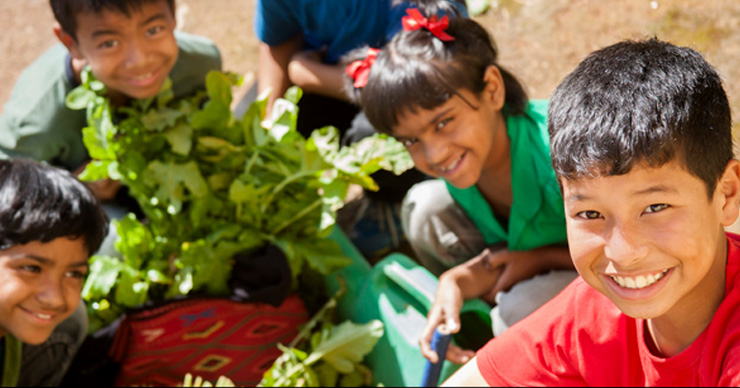
National Nutrition Month 2020 India: Locally grown foods are harvested when they are ripe which adds to its acceptability due to its flavour, taste, color and consistency. Thus, they are acceptable to children as complementary foods, says Dr Ketan Bharadva
The very basic aims of complementary feeding are to provide balanced nutrition to ‘complement’ the breastfeeding in meeting the fast increasing growth and developmental requirements of otherwise healthy infants beyond 6 months age. It should be homemade, fresh, hygienic, clean, affordable, free from toxins, and locally available foods. All communities have their own staple diet available locally (e.g. wheat in north and rice in south India). To make them nutritionally balanced, a staple diet has to be enriched with food groups which can complement it by supplying the nutrients deficient in the staple diet. Hence, scientifically UNICEF (United Nations Children’s Fund), WHO (World Health Organisation) and all IYCF (Infant & Young Child Feeding) organizations recommend daily consumption of foods from at least four or more foods groups amongst the seven groups that are:
1. Grains/millets and roots/tubers
2. Legumes and nuts
3. Vitamin-A rich fruits and vegetables
4. Other fruits and vegetables
5. Dairy Products
6. Eggs
7. Flesh foods (meat, fish, poultry and organ meats).
Locally grown or produced foods of different varieties can meet the diverse requirements. Read More…